3D Printed Articulated Sea Turtle
In the evolving landscape of graphic design and brand storytelling, tactile experiences are becoming just as vital as digital precision. The 3D Printed Articulated Sea Turtle represents more than a novelty; it is a masterclass in form, function, and visual harmony. For designers seeking inspiration beyond the screen, this object offers a tangible example of how fluid movement and gradient aesthetics can captivate an audience.
Visual Dynamics and Color Theory
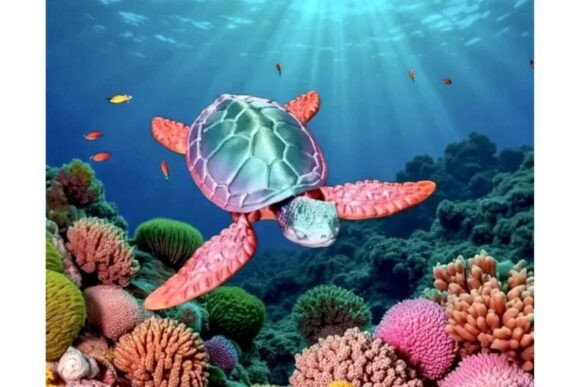
From a visual design perspective, the turtle’s ombre color scheme is a striking study in transition. Moving from vibrant blues and greens on the shell to warm pinks and oranges on the head and flippers, it mimics a sunset over the ocean. This gradient is not merely decorative; it demonstrates effective use of a color palette to guide the eye and evoke emotion. For professionals working in brand identity, this serves as a reminder that smooth transitions between hues can create depth and sophistication in both print and digital media.
The segmented shell allows for lifelike movement, a feature that parallels the need for flexibility in modern UI design and interactive content. Just as the turtle flexes fluidly, our digital interfaces must adapt seamlessly to user interactions. The texture of the scales adds a layer of realism that enhances the overall modern aesthetics, proving that detail matters in creating a premium feel.
Applications in Creative Projects
Integrating such unique forms into your design workflow can elevate various creative outputs. Here is how the principles behind this articulated model can influence different areas of design:
- Packaging Design: The structural integrity and support-free printing method highlight efficient engineering. Applying similar logic to packaging ensures products are both protective and visually appealing, enhancing the unboxing experience.
- Social Media Graphics: The captivating color shift makes for excellent content. Using high-contrast gradients in social media graphics can stop the scroll and increase engagement rates.
- Merchandise and Branding: As a desk ornament or fidget toy, it serves as a physical touchpoint for branding. Companies can use such items to reinforce their commitment to innovation and quality.
- Digital Marketing: The concept of "fluidity" can be translated into motion graphics and animations, creating a cohesive narrative across digital marketing campaigns.
Technical Precision Meets Artistic Freedom
For those interested in the creation process, the technical specifications offer valuable insights into maintaining quality. The model is designed to be support-free, which simplifies the production process while ensuring a clean finish. Recommended settings include 10-15% infill and 2-3 wall lines, balancing durability with material efficiency. Printing at 0.2 mm resolution takes approximately two hours, while a finer 0.12 mm layer height extends this to three hours, offering a smoother surface ideal for close-up inspection.
Scalability is another crucial factor. The model can be scaled down to 70%, though a minimum of 85% is recommended to preserve the intricate details of the articulated joints. This flexibility mirrors the need for responsive design in web design, where assets must look crisp across various device sizes without losing their core identity.
Enhancing User Engagement Through Texture
In UX design, feedback is essential. The tactile nature of the articulated flippers provides immediate sensory feedback, much like a well-designed button hover state or haptic response in an app. Incorporating elements that invite touch and interaction can significantly improve user satisfaction. Whether used as a soothing fidget toy or a charming gift, the turtle brings a piece of ocean tranquility to any space, reinforcing the emotional connection between the object and the user.
When selecting design assets for your next project, consider the interplay of structure and color. The 3D Printed Articulated Sea Turtle exemplifies how technical constraints—such as printing without supports—can drive innovative solutions that result in beautiful, functional art. By studying such objects, designers can refine their approach to visual hierarchy, ensuring that every element serves a purpose while contributing to the overall aesthetic.
Ultimately, thoughtful design choices bridge the gap between utility and beauty. Whether you are crafting a logo design, an editorial layout, or a physical product, prioritizing clarity, consistency, and visual impact will always yield superior results. Embrace the blend of technology and artistry to create work that resonates deeply with your audience.