Evaluating the Butterfly Numbers Topper 3D SVG for Digital Crafting
In the evolving landscape of digital crafting, creators constantly seek assets that balance aesthetic appeal with technical reliability. The Butterfly Numbers Topper 3D SVG represents a specific category of design files intended for layered paper crafts and vinyl applications. As a ready-for-immediate-download collection, this product targets users who utilize cutting machines such as those from Silhouette and Cricut. Understanding the utility, compatibility, and practical limitations of these files is essential for crafters deciding whether this asset aligns with their current projects and long-term creative goals.
Understanding the Product and Its Core Functionality
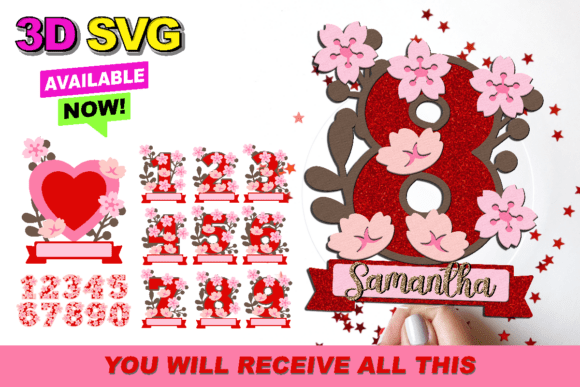
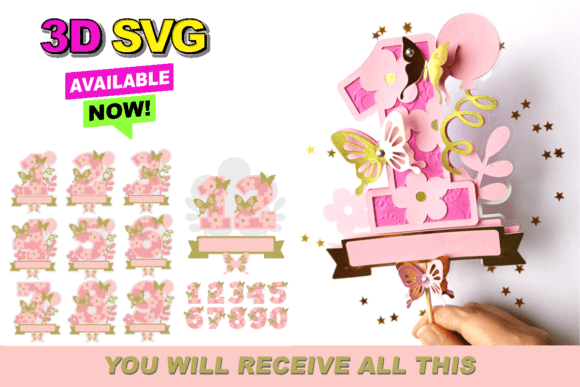
The Butterfly Numbers Topper 3D SVG is not merely a static image but a structured vector file designed to create depth and dimension. The term "3D" in this context refers to the layering technique required during assembly. Each number is typically composed of multiple distinct layers—often including a base, decorative elements like butterflies, and potentially shadow or spacer layers—that, when stacked, produce a three-dimensional effect. This design approach transforms flat materials into tangible decor suitable for physical display.
These files are engineered for immediate use upon download. For users familiar with digital design software, this means the vectors are pre-grouped and organized to facilitate easy manipulation. The primary function is to serve as a template for cake toppers, shirt prints, stickers, and event decorations. By providing a pre-designed structure, the SVG saves the creator significant time compared to designing complex layered graphics from scratch.
Compatibility and Technical Considerations
One of the most critical factors in evaluating any digital cut file is software compatibility. The Butterfly Numbers Topper 3D SVG collection is explicitly optimized for industry-standard platforms, specifically Silhouette Studio and Cricut Design Space. These programs interpret SVG (Scalable Vector Graphics) data effectively, allowing users to resize, ungroup, and modify individual components without losing image quality.
However, versatility does not imply universal compatibility. While SVG is a widely supported format, not all hardware or software ecosystems handle layered 3D designs equally. Before purchasing or downloading, users must verify that their specific cutting machine and associated software support multi-layer imports. Older versions of software or proprietary systems that do not natively support SVG may require conversion steps, which can sometimes distort intricate details like the fine lines of butterfly wings. Therefore, ensuring your machine supports this file format before proceeding is a necessary precaution to avoid workflow disruptions.
Practical Applications and Use Cases
The versatility of this collection extends beyond simple dimensional aesthetics. The design is proportioned to suit various mediums, making it a strong fit for several specific scenarios:
- Cake Toppers: This is the primary intended use. The layered structure provides stability and visual interest for birthday cakes, allowing for customization by age or milestone.
- Apparel Decoration: When adapted for heat transfer vinyl (HTV), the design can create swanky shirt prints. However, users must consider the complexity of weeding small butterfly details when applying to fabric.
- Stickers and Labels: The vibrant nature of the graphics makes them suitable for sticker production, particularly for party favors or product branding.
- Event Decor: Beyond cakes, these numbers can be scaled up for wall decor, photo backdrops, or table centerpieces at electrifying birthday bashes and other celebrations.
By enlivening events or products with these files, creators aim to generate memorable merchandise and decor. The ability to customize colors and materials allows for seamless integration into specific theme palettes, enhancing the cohesive look of an event.
Benefits Versus Tradeoffs
When considering the Butterfly Numbers Topper 3D SVG, it is important to weigh the advantages against the potential challenges.
Advantages
The primary benefit is efficiency. Designing layered 3D effects requires precise alignment and spacing knowledge. Pre-made SVGs eliminate the learning curve associated with creating these structures from zero. Additionally, the immediate download feature supports last-minute project needs, offering convenience for urgent deadlines. The aesthetic appeal of the butterfly motif adds a touch of elegance and whimsy that generic block numbers often lack.
Tradeoffs and Limitations
Despite the benefits, there are tradeoffs. The "3D" effect requires manual assembly. Users must cut multiple layers, align them precisely, and adhere them together using adhesives or foam tape. This process is time-consuming and requires patience and fine motor skills. Furthermore, the intricacy of butterfly designs may pose challenges for beginners using lower-quality blades or mats, potentially leading to tearing or incomplete cuts. If a user seeks a quick, single-layer solution, this product may be overly complex for their needs.
Decision-Making Insights: Is This Right for You?
To determine if the Butterfly Numbers Topper 3D SVG aligns with your goals, consider your skill level and available resources. This product is a strong fit for intermediate crafters who are comfortable with layering techniques and have access to reliable cutting equipment. It is ideal for those who value unique, high-impact visuals over speed of assembly.
Conversely, alternatives may be worth considering if you are a beginner unfamiliar with SVG manipulation or if you lack the time for detailed assembly. In such cases, single-layer die-cut numbers or printable templates might offer a more manageable entry point. Additionally, if your cutting machine struggles with intricate details, simpler designs with fewer anchor points may yield better results.
Ultimately, the value of this collection lies in its ability to elevate standard party decor into customized art. By understanding the technical requirements and assembly demands, users can make informed decisions that ensure successful project outcomes. Whether for personal memories or commercial merchandise, the key is matching the file’s complexity with your crafting capacity.