Summer 3D SVG: Elevate Your Creative Projects
The arrival of warm weather often signals a shift in creative energy. For designers, crafters, and small business owners, summer is not just a season; it is a vibrant canvas waiting for color, texture, and dimension. This is where the Summer 3D SVG becomes an invaluable asset. Unlike standard flat vector files, these specialized graphics are engineered to add depth and tactile interest to your projects. Whether you are designing custom apparel, creating intricate home decor, or producing marketing materials for seasonal campaigns, understanding how to leverage three-dimensional design elements can set your work apart in a crowded marketplace.
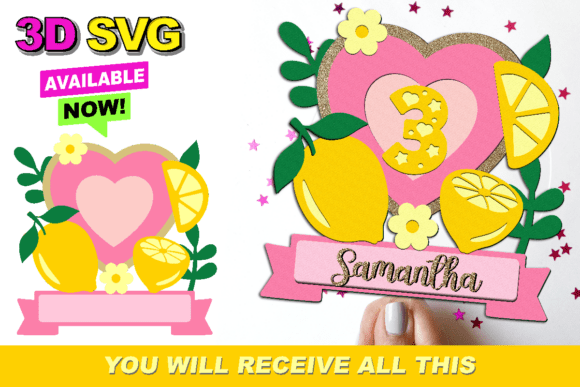
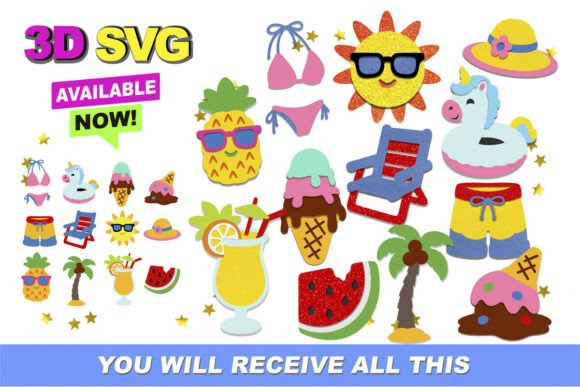
Easily accessible in a neat, zipped folder, this 3D SVG is effortlessly trimmable on your Silhouette Studio and Cricut Design Space software. If your creativity flows through a different type of machine, kindly ascertain its compatibility with this distinct file format. The convenience of having all necessary layers organized within a single download cannot be overstated. It streamlines the workflow, allowing you to move from concept to creation without the friction of sorting through disparate files or troubleshooting missing components.
Understanding the Mechanics of Layered Design
To truly appreciate the utility of a Summer 3D SVG, one must understand the mechanics behind layered cutting files. Traditional SVGs are typically single-layer vectors, ideal for simple decals or monochrome prints. However, 3D SVGs utilize multiple layers of material—such as cardstock, vinyl, or fabric—to create shadows and perspective. Each layer is precisely calculated to sit slightly offset from the one beneath it, mimicking the way light interacts with physical objects.
This technique transforms a two-dimensional image into a piece that commands attention. For instance, a simple sun icon becomes a radiant focal point when constructed with varying shades of yellow and orange cardstock, each layer slightly smaller than the last. The result is a shadow box effect that adds sophistication and visual weight to any project. This approach requires precision, which is why high-quality files are essential. Poorly spaced layers can result in a muddy appearance, whereas well-engineered files ensure crisp edges and clear definition between colors.
Creative Applications for Diverse Audiences
The versatility of Summer 3D SVGs allows them to serve a wide range of creative professionals and hobbyists. Here is how different users can adapt these files to meet their specific goals:
- Small Business Owners: Use layered designs to create premium greeting cards or gift tags. The added dimension justifies a higher price point and enhances the perceived value of handmade goods.
- Educators: Incorporate 3D elements into classroom decorations or learning aids. A layered ocean scene can teach children about marine life while engaging their sense of touch and sight.
- Interior Design Enthusiasts: Craft custom wall art that reflects the season. Large-scale 3D paper flowers or tropical leaves can transform a plain wall into a statement feature without the commitment of paint or wallpaper.
- Event Planners: Design intricate centerpieces or photo booth backdrops. The durability of cardstock combined with the visual impact of 3D layering makes these files ideal for temporary yet striking installations.
Each of these applications benefits from the structured nature of the Summer 3D SVG. Because the files are pre-layered, users do not need advanced graphic design skills to achieve professional results. Instead, they can focus on material selection and assembly techniques.
Material Selection and Assembly Techniques
The success of a 3D project relies heavily on the materials chosen. While digital files provide the blueprint, the physical medium brings the design to life. For beginners, standard cardstock ranging from 65lb to 80lb weight is recommended. It offers enough rigidity to hold its shape without being too difficult for most cutting machines to handle. As you gain confidence, you might experiment with textured papers, metallic finishes, or even thin wood veneers for a more rustic aesthetic.
Assembly is where patience pays off. Using a fine-tip adhesive applicator ensures that glue does not seep out from the edges, maintaining a clean look. Foam tape or adhesive dots can be used between layers to increase the distance between them, enhancing the shadow effect. This technique is particularly effective for larger designs where subtle shadows might get lost. For smaller, intricate details, liquid glue applied with a toothpick provides the necessary precision.
It is also crucial to consider the environment in which the final piece will reside. Items intended for outdoor use, such as porch signs or garden markers, should be sealed with a weather-resistant spray to protect against humidity and UV exposure. Indoor decorations, while safer from the elements, still benefit from careful handling to prevent dust accumulation in the crevices between layers.
Optimizing Workflow for Efficiency
Time is a valuable resource for any creator. To maximize efficiency when working with Summer 3D SVGs, organization is key. Start by unzipping the downloaded folder and reviewing the contents. Most high-quality packages include a preview image, which serves as a reference guide during assembly. Labeling your cut pieces immediately after they come off the mat can save significant time later. Use painter’s tape to group layers by color or section, keeping them in the order they will be assembled.
Additionally, familiarize yourself with the settings of your cutting machine. Different materials require different blade depths and pressure settings. Running test cuts on scrap pieces of your chosen material can prevent wasted supplies and frustration. Once you have established the optimal settings for your preferred media, save them as custom presets in your software. This practice ensures consistency across multiple projects and reduces the setup time for future endeavors.
Expanding Your Creative Horizon
While the provided files offer a solid foundation, they are also starting points for further customization. Experienced designers might choose to modify the color palette to match specific brand guidelines or interior decor schemes. Others may combine elements from different SVG packs to create unique compositions. For example, merging a 3D sun with layered cloud elements can create a dynamic sky scene suitable for nursery decor or summer-themed invitations.
Collaboration can also spark new ideas. Sharing your finished projects on social media or crafting forums can lead to feedback and inspiration from peers. Observing how others interpret the same file can reveal new techniques or material combinations you had not considered. This community aspect of crafting enriches the experience and fosters continuous learning.
In conclusion, the Summer 3D SVG is more than just a digital file; it is a tool for expression. It bridges the gap between digital design and tangible art, offering a pathway to create works that are both visually stunning and physically engaging. By understanding the mechanics of layered design, selecting appropriate materials, and optimizing your workflow, you can unlock the full potential of these assets. Whether you are a seasoned professional or a curious beginner, the journey of bringing these designs to life is rewarding. Embrace the process, experiment with confidence, and let your creativity shine through every layer.