Evaluating the 3D Pastel Flower Seamless Pattern for Modern Design Projects
In the realm of digital surface design, the distinction between flat vector graphics and textured, depth-rich imagery often dictates the perceived value of a final product. The 3D Pastel Flower Seamless Pattern represents a specific niche within this landscape, offering a blend of soft color palettes with realistic three-dimensional rendering. For designers, crafters, and print-on-demand entrepreneurs, understanding the technical and aesthetic implications of choosing this style over traditional alternatives is crucial for achieving professional results.
This article examines the characteristics of 3D pastel floral patterns, compares them to other common design resources, and outlines the scenarios where they provide the most value. By analyzing file specifications, application methods, and visual impact, you can determine if this resource aligns with your specific project requirements.
Defining the Aesthetic and Technical Structure
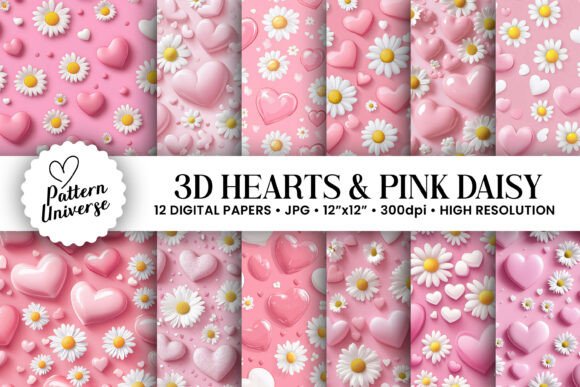
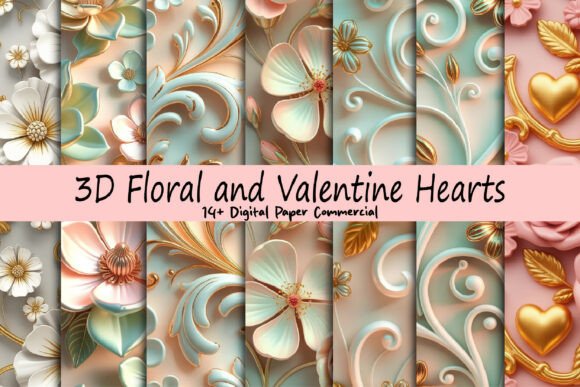
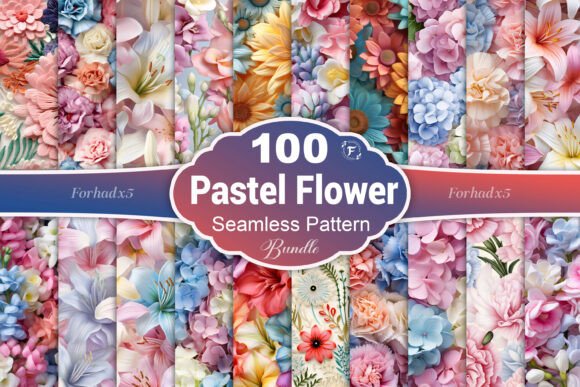
A 3D Pastel Flower Seamless Pattern is not merely a colored illustration; it is a digitally constructed image that simulates physical depth, lighting, and texture. Unlike standard 2D vector art, which relies on solid fills and clean lines, these patterns utilize shading, gradients, and layering to mimic the appearance of real fabric, paper, or painted surfaces. The "pastel" component refers to a muted, low-saturation color palette—think soft pinks, lavenders, mint greens, and buttery yellows—that evokes a dreamy, modern, and calming atmosphere.
The "seamless" aspect is a critical technical feature. It means the pattern tiles infinitely in all directions without visible breaks or hard edges. When repeated across a large surface, such as a bolt of fabric or a website background, the transition points remain invisible. In high-resolution formats like the 2400×2400 px JPG files commonly found in premium bundles, the individual floral elements retain sharpness even when scaled up for large-format printing.
These patterns are typically rendered in RGB color mode, making them ideal for digital displays and sublimation printing processes. The combination of high resolution and seamless tiling ensures that the design remains crisp whether it is viewed on a mobile screen or printed on a large canvas.
Comparing 3D Pastel Patterns to Traditional Alternatives
When selecting assets for a branding kit or product line, it is essential to weigh the 3D pastel option against other prevalent styles. Each approach offers distinct advantages and limitations depending on the intended medium.
3D Rendered vs. Flat Vector Illustrations
Flat vector illustrations are the industry standard for logos and iconography due to their scalability and clean lines. However, they often lack the tactile quality required for fashion textiles or home decor. A 3D Pastel Flower Seamless Pattern introduces a sense of volume and realism that flat vectors cannot replicate without complex manual shading. If your goal is to create a product that feels tangible and premium, such as a luxury tote bag or a wedding invitation suite, the 3D approach often yields a more sophisticated result.
Conversely, flat vectors are superior for applications requiring extreme scalability or minimal file sizes, such as app icons or small web badges. They are also easier to manipulate in terms of changing colors globally. With 3D raster images (JPG), color adjustments are more difficult and may degrade image quality if pushed too far.
Pastel Tones vs. Bold or Monochromatic Schemes
The choice of color palette significantly influences the target demographic and brand perception. Pastel tones are inherently associated with softness, femininity, and springtime aesthetics. They work exceptionally well for baby products, bridal stationery, and lifestyle branding. However, they may struggle to convey urgency, power, or high-contrast visibility compared to bold, saturated hues or stark monochromatic schemes.
If your design requires high legibility for text overlays, a busy 3D pastel background might present challenges. In such cases, a simpler geometric pattern or a solid color block might be more effective. The decision should hinge on whether the background is meant to be the focal point or a subtle enhancer.
Strengths and Tradeoffs in Practical Application
Adopting a 3D Pastel Flower Seamless Pattern offers several distinct strengths, particularly for creators utilizing Print-on-Demand (POD) services and digital marketing platforms.
Visual Depth and Perceived Value
The primary strength of these patterns is their ability to elevate simple products into premium offerings. A plain white mug becomes a statement piece when wrapped in a realistic, textured floral design. The 3D effect tricks the eye into perceiving texture, which can justify higher price points in e-commerce listings. This is particularly effective for items like pillows, cushions, and phone cases where the customer expects a certain level of visual richness.
Versatility Across Media
Because these patterns are designed for endless tiling, they are highly versatile. They function equally well as:
- Digital Assets: Website banners, social media covers, YouTube thumbnails, and Pinterest pins.
- Physical Products: Sublimation prints on apparel (t-shirts, hoodies), ceramics, and stationery.
- Branding Elements: Backgrounds for logo presentations, identity boards, and packaging mockups.
The high resolution (2400×2400 px) ensures that the design does not pixelate when zoomed in, a common issue with lower-quality stock photos.
Tradeoffs and Limitations
Despite their advantages, there are tradeoffs to consider. The primary limitation is the file format. Most 3D patterns are distributed as raster images (JPG). This means they cannot be easily edited to change individual flower shapes or colors without specialized software and significant effort. If you need a fully customizable asset where every petal can be moved or recolored independently, a vector-based floral pack would be a better investment.
Additionally, the RGB color profile used in these files is optimized for screens and sublimation printers. If you intend to use these designs for traditional CMYK offset printing (such as magazine spreads or large-scale brochures), you must convert the files carefully. Color shifts can occur during conversion, potentially altering the delicate pastel balance and introducing unwanted muddy tones.
Decision Factors: When to Choose This Style
Determining whether the 3D Pastel Flower Seamless Pattern is the right choice depends on your specific project goals and constraints.
Ideal Scenarios
You should prioritize this style if:
- Targeting a Soft, Modern Aesthetic: Your brand or product line focuses on wellness, beauty, weddings, or children's goods where a gentle, inviting vibe is necessary.
- Utilizing Sublimation Printing: You are producing merchandise like mugs, tumblers, or polyester fabrics where the vibrancy and detail of RGB images translate perfectly to the final product.
- Need for Quick Deployment: You require ready-to-use backgrounds for social media or web design without the time commitment of creating custom 3D renders from scratch.
- Creating Textured Digital Papers: You are designing scrapbook papers, digital planners, or greeting cards where the illusion of depth adds a tactile feel to the user experience.
Alternative Approaches
Consider looking for other options if:
- Full Editability is Required: You need to deconstruct the image to isolate specific elements for complex layout work. Vector files or layered PSDs would serve this purpose better.
- High-Contrast Legibility is Critical: If your design relies heavily on text readability, a lighter, less detailed background or a solid color might prevent visual clutter.
- Offset Printing is the Primary Medium: While possible, converting RGB 3D patterns to CMYK carries risks. If your workflow is strictly offset, sourcing native CMYK patterns or working with a designer who can manage the color separation is safer.
Maximizing the Potential of Your Design Bundle
For those who decide that the 3D Pastel Flower Seamless Pattern fits their needs, maximizing its potential involves strategic application. Since these bundles often contain multiple variations (e.g., 100+ files), mixing and matching can create unique combinations. For instance, using one pattern for a product body and a complementary pastel shade for accents can create a cohesive collection without needing new assets.
When applying these patterns to digital platforms, ensure that the compression settings do not flatten the 3D effects. Maintaining the integrity of the shadows and highlights is key to preserving the realistic look. For print applications, always request a proof before committing to a full run, especially to verify that the pastel tones have not shifted toward gray or brown during the printing process.
Ultimately, the value of a 3D Pastel Flower Seamless Pattern lies in its ability to bridge the gap between digital convenience and physical realism. It offers a practical solution for designers seeking to infuse their work with a contemporary, elegant flair while maintaining the efficiency of pre-made, high-resolution assets. By understanding its strengths relative to other design formats, you can make an informed decision that enhances both the visual appeal and the commercial viability of your projects.