Mastering 3D Layered Flower Paper & Laser Cutting
In the evolving landscape of digital crafting, few techniques offer the same blend of technical precision and organic beauty as 3D layered flower paper design. Whether you are a seasoned graphic designer working with vector files or a hobbyist exploring the capabilities of a home cutting machine, understanding the nuances of this medium can transform flat projects into tactile masterpieces. The intersection of traditional papercraft aesthetics with modern laser cutting technology allows creators to produce intricate, multi-dimensional floral arrangements that captivate viewers and add significant perceived value to handmade goods.
The Art of Dimensional Papercraft
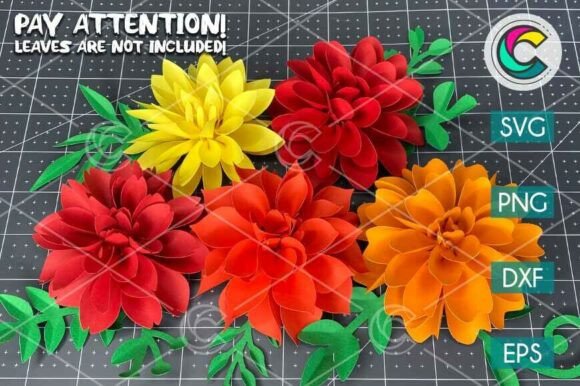
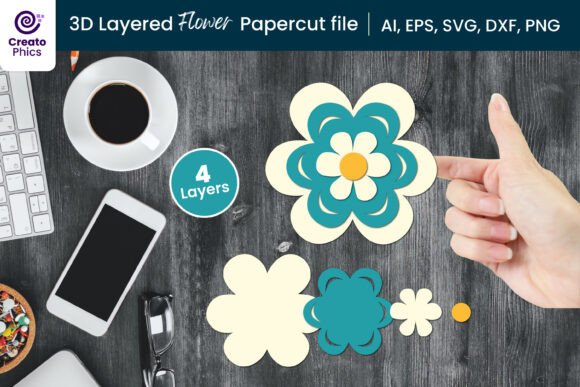
At its core, a 3D layered flower is not merely a single cutout but a composition of multiple distinct elements stacked to create depth. This technique relies on the strategic placement of petals, leaves, and centers, each slightly smaller or shaped differently than the last. When executed correctly, the shadows cast between layers mimic the natural curvature of real blooms. For those utilizing laser cutting services or high-precision die-cutting machines, the accuracy required to maintain these delicate connections is paramount. A well-designed file ensures that every curve is smooth and every tab aligns perfectly, reducing assembly time and material waste.
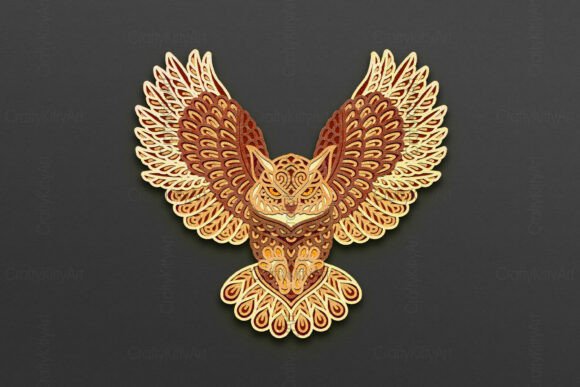
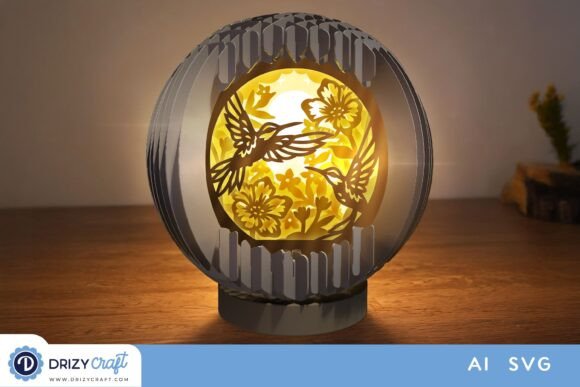
The appeal of this style lies in its versatility. Unlike printed images, which remain two-dimensional, layered paper art interacts with light. This physical presence makes it ideal for items where texture and shadow play crucial roles in the overall aesthetic. From wedding invitations that require a touch of luxury to wall art that serves as a focal point in interior design, the tactile nature of layered paper creates an emotional connection with the audience that digital prints often lack.
Key Characteristics of High-Quality SVG Files
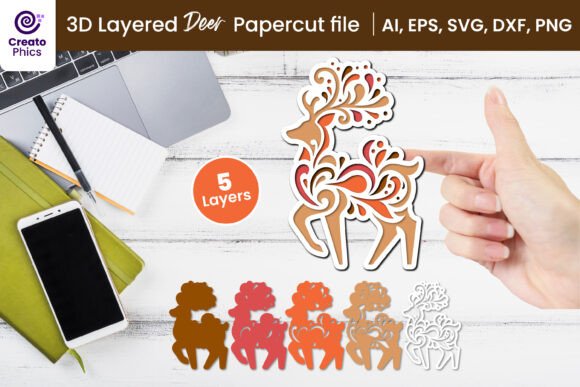
When sourcing or creating designs for this purpose, the quality of the digital file dictates the success of the final product. A professional-grade 3D layered flower paper cutting SVG should offer more than just a basic outline. It must include separate layers for each component of the flower, allowing the crafter to choose different cardstock colors or textures for individual petals. This modularity is what enables true customization.
- Layer Separation: Each petal and leaf should be on its own layer within the file, facilitating easy color changes and assembly planning.
- Clean Vector Paths: Nodes should be minimized to ensure smooth cuts, especially important for laser cutting where jagged edges can burn or char unevenly.
- Scalability: Formats like EPS and AI allow for resizing without loss of quality, ensuring the design works for both small greeting cards and large wall installations.
- Compatibility: Including DXF and PNG formats ensures the design is accessible to users of various software platforms, from Silhouette Studio to Cricut Design Space.
Furthermore, the inclusion of high-resolution PNG files at 300 DPI provides a fallback for those who may prefer sublimation printing or digital mockups before committing to physical production. This comprehensive approach to file delivery supports a seamless creative process, accommodating both digital enthusiasts and traditional crafters.
Practical Applications Across Industries
The utility of 3D layered flower paper extends far beyond personal hobbies. For entrepreneurs and small business owners, these designs represent a scalable product line with high profit margins. Because the primary cost is material and time, the perceived value of a hand-assembled 3D flower is significantly higher than that of a flat print.
Greeting Cards and Stationery
In the stationery market, differentiation is key. A greeting card featuring a laser-cut or machine-cut 3D flower stands out in a crowded retail environment. The depth of the design invites the recipient to touch and explore the card, enhancing the unboxing experience. For wedding suites, these elements can be used as belly bands, envelope liners, or standalone keepsakes, adding a bespoke feel that mass-produced options cannot match.
Home Decor and Wall Art
Large-scale laser cutting allows for the creation of statement pieces. By scaling up a floral SVG and using sturdy materials like wood veneer or thick cardstock, creators can produce intricate wall art that serves as a centerpiece in living rooms or offices. The interplay of light and shadow in these larger formats adds dynamic visual interest that changes throughout the day as natural light shifts.
Educational and Therapeutic Uses
Beyond commerce, assembling layered paper flowers offers therapeutic benefits. The repetitive, precise nature of sorting and gluing layers can be meditative, making it an excellent activity for stress relief. Educators can also use these projects to teach geometry, symmetry, and fine motor skills. Students learn about structural integrity and design principles while creating something beautiful, bridging the gap between STEM and arts education.
Maximizing Efficiency in Production
For professionals looking to integrate 3D layered flower paper designs into their workflow, efficiency is critical. Starting with a well-organized file, such as those provided by reputable creators like Creatophics, reduces prep time. When the layers are clearly labeled and separated, the transition from digital design to physical cut is streamlined.
Consider the material selection carefully. While standard cardstock works for most projects, experimenting with textured papers, vellum, or even thin wood can yield unique results. For laser cutting, materials like acrylic or birch plywood offer durability and a modern aesthetic, expanding the potential customer base to include corporate clients looking for branded gifts or office decor.
Assembly techniques also impact the final look. Using foam adhesive dots instead of liquid glue can speed up the process while maintaining consistent spacing between layers. This method ensures uniform depth across all flowers, which is particularly important when producing batches for commercial sale.
Selecting the Right Design for Your Project
Not all floral designs are created equal. When evaluating a floral papercut file, consider the complexity relative to your intended use. A highly intricate design with dozens of tiny petals may be stunning for a framed piece but impractical for a small gift tag. Conversely, a simpler three-layer flower might lack the drama needed for a large wall installation but perfect for quick, high-volume production runs.
Look for designs that offer balance. The best 3D layered flower paper cutting SVG files provide enough detail to be interesting but remain manageable for assembly. Check reviews and previews to ensure the designer has tested the file for common issues like overlapping paths or missing nodes. A reliable file format suite, including AI, EPS, SVG, and DXF, indicates a professional approach to design and ensures compatibility with your preferred tools.
Ultimately, the goal is to enhance your creative output without adding unnecessary friction. By choosing high-quality, versatile files and understanding the strengths of laser cutting and digital die-cutting, you can produce work that is not only visually striking but also efficient to create. This balance of artistry and practicality is what defines successful modern crafting, whether for personal enjoyment or professional enterprise.
As you explore these possibilities, remember that feedback and community engagement play vital roles in growth. Sharing your creations and insights helps refine techniques and inspires others in the crafting ecosystem. Embrace the precision of digital tools and the warmth of handmade art to bring your floral visions to life.