Ninja Shaker Cake Topper 3D SVG: A Practical Guide to Design, Compatibility, and Construction
In the realm of custom party decor and personalized merchandise, the Ninja Shaker Cake Topper 3D SVG has emerged as a versatile resource for crafters seeking dynamic visual elements. This digital collection offers more than just static imagery; it provides a structured approach to creating shaker-style toppers that incorporate movement and texture. For adults navigating the landscape of DIY crafting tools, understanding the specific utility, software compatibility, and construction requirements of these files is essential before making a purchase or committing to a project.
The primary distinction of this 3D SVG collection lies in its immediate readiness for download and its optimized layering. Unlike standard vector graphics that may require significant manual adjustment to separate layers for depth, these files are pre-configured to facilitate the "shaker" effect—a popular trend where loose confetti or glitter moves within a sealed container. This design philosophy reduces the technical barrier for users who want professional results without spending hours on file manipulation.
Evaluating Software Compatibility and Workflow Integration
One of the most critical factors when selecting digital assets for cutting machines is software compatibility. The Ninja Shaker Cake Topper 3D SVG is engineered to work seamlessly with industry-standard platforms like Silhouette Studio and Cricut Design Space. These two programs dominate the consumer crafting market, and ensuring a file opens correctly within them is a baseline requirement for usability.
When comparing this format to other available resources, such as DXF or PNG files, the advantages become clear. PNG files lack the scalability of vectors, often resulting in pixelation when resized for larger projects like banner decorations. DXF files, while compatible with many machines, frequently lose color information and layer organization, requiring the user to manually rebuild the design hierarchy. In contrast, the SVG format preserves both the vector paths and the distinct layers necessary for the shaker mechanism.
However, compatibility extends beyond the software itself. Users must verify that their specific hardware can interpret the file format effectively. While Silhouette and Cricut machines are the primary targets, other vinyl cutters or laser engravers may support SVGs depending on their firmware and accompanying software. Before proceeding with a project, it is prudent to test a small portion of the file on your specific machine to ensure the cut lines register correctly. This step prevents wasted material and time, particularly when working with delicate materials like acetate.
Comparing Design Styles and Functional Applications
The versatility of the Ninja Shaker Cake Topper 3D SVG collection extends far beyond its namesake application. While designed with cake toppers in mind, the proportions and structural integrity of the graphics make them suitable for a wide array of creative outputs. When evaluating whether this specific style fits your needs, consider the intended end product.
Textile Applications: For those interested in apparel, these designs translate well into swanky shirt prints. The bold lines and defined shapes inherent in ninja-themed graphics hold up well during heat transfer processes. Compared to intricate, fine-detail illustrations that might clog print heads or fail to adhere properly, the clean geometry of these SVGs ensures durability and clarity on fabric.
Stickers and Merchandise: The layered nature of the files also makes them ideal for producing vibrant stickers. By separating the background from the foreground elements, creators can produce multi-layered stickers that mimic the 3D effect of the original shaker design. This adds value to merchandise, distinguishing handmade goods from mass-produced alternatives found in retail stores.
Event Decor: Beyond individual items, these graphics serve as excellent templates for electrifying birthday bash decor. Large-scale versions can be used for banners, table centerpieces, or wall hangings. In this context, the choice between a flat design and a shaker design becomes a matter of budget and complexity. A flat version is faster to produce and less prone to leakage, while the shaker version offers a tactile, interactive element that engages guests.
Construction Techniques: Building the Shaker Base
Acquiring the digital file is only the first step; the physical assembly of the shaker topper requires precision and the right materials. The process involves creating a sealed chamber that allows for movement while maintaining structural stability. Below is a practical breakdown of how to construct the base using the provided design guidelines.
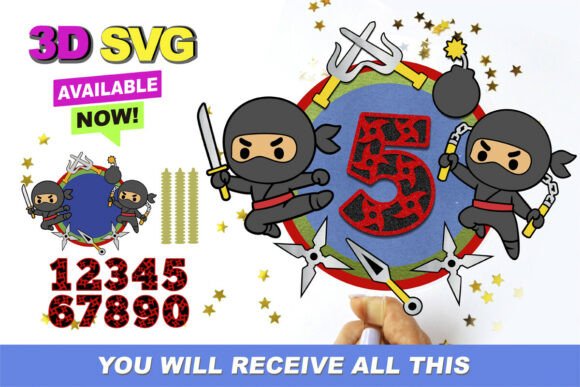
To begin, you will need three strips of cardstock or chipboard, an acetate circle (for the transparent window), a circle for the background, and three hoops to maintain shape during assembly. The construction process follows a logical sequence:
- Forming the Frame: Glue and fold the toothed strips into a circle. These strips act as the walls of the shaker. It is crucial that the edges meet perfectly to prevent gaps where confetti could escape.
- Sealing the Window: Glue the acetate circle to the base of the frame. Once attached, reinforce the top edge of the toothed circle with a ring. This reinforcement provides the necessary strength to hold the contents securely without warping.
- Filling the Chamber: Carefully fill the enclosed space with glitter or confetti. The amount of filler should be balanced; too little looks empty, while too much restricts movement and obscures the design.
- Final Assembly: Decorate the exterior if desired, then glue another base on top to seal the unit completely.
It is important to note that while the shaker effect is visually engaging, it is not always the only option. You can make your cake toppers flat, which will still look beautiful and is significantly easier to transport. Flat toppers eliminate the risk of leaks and are less fragile, making them a superior choice for outdoor events or situations where durability is paramount.
Weighing Strengths, Tradeoffs, and Decision Factors
Deciding whether the Ninja Shaker Cake Topper 3D SVG is the right resource for your project requires a balanced assessment of its strengths against potential limitations. The primary strength is the aesthetic impact. The combination of a bold ninja theme with the kinetic energy of moving confetti creates a memorable focal point that static images cannot replicate. This makes it an excellent choice for milestone birthdays, themed parties, or premium merchandise where perceived value matters.
However, there are tradeoffs to consider. The construction of shaker toppers is time-consuming and requires a higher skill level than simple die-cutting. There is a learning curve associated with sealing the acetate and managing the internal components. Furthermore, the cost of materials—specifically high-quality acetate and adhesives—is higher than that of a standard flat cut.
For beginners or those on a tight deadline, a flat version of the same design might be a more pragmatic alternative. It utilizes the same digital assets but removes the complex assembly phase. Conversely, for experienced crafters looking to elevate their product line or create a unique gift, the effort invested in the shaker version yields a result that stands out in a crowded market.
Another decision factor is the longevity of the item. Shaker toppers are inherently more fragile due to the multiple glued layers and the presence of loose particles. If the topper is intended to be kept as a long-term keepsake, the risk of the seal failing over time must be weighed against the initial excitement. Flat toppers generally offer better archival quality and resistance to wear and tear.
Conclusion: Making an Informed Choice
The Ninja Shaker Cake Topper 3D SVG represents a powerful tool for creators who wish to blend digital design with tangible, interactive crafts. Its compatibility with major cutting software and its adaptability across various mediums—from shirts to decor—make it a valuable asset in any digital library. However, its true value is realized only when the creator understands the construction demands and evaluates whether the added complexity aligns with their goals.
Whether you choose to embrace the full shaker experience or opt for a simplified flat design, the underlying graphics provide a solid foundation for creating splendid memories and high-quality merchandise. By carefully considering your equipment, skill level, and the specific needs of your event or product, you can leverage these files to achieve professional-grade results without unnecessary frustration. Ultimately, the best choice is the one that balances creative vision with practical execution.