Streamlining Creative Packaging with a 3D Pentagon Box Template
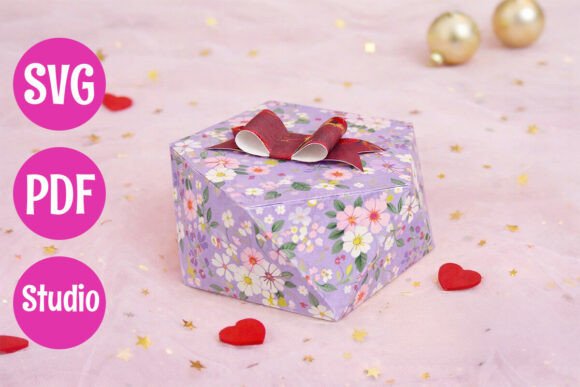
In the realm of handmade goods and small-scale product presentation, the difference between a standard offering and a memorable brand experience often lies in the details. For creators, educators, and small business owners, packaging is not merely a container; it is the first physical touchpoint a customer has with your work. Integrating a 3D Pentagon Box Template into your design workflow offers a strategic advantage by combining geometric novelty with structural integrity. This approach moves beyond simple square or rectangular containers, providing a modern aesthetic that stands out in crowded marketplaces while remaining practical for assembly and shipping.
Understanding how to effectively utilize this specific template requires more than just downloading a file. It involves recognizing where it fits within your broader production pipeline, ensuring compatibility with your cutting equipment, and planning for efficient batch assembly. Whether you are preparing party favors, retailing artisanal soaps, or creating educational geometry models, the five-sided structure provides a unique canvas that demands thoughtful execution.
Integrating Geometric Design into Your Production Workflow
The decision to use a pentagon-shaped box should align with your project’s goals and logistical constraints. Unlike traditional cubes, a pentagonal prism requires precise scoring and folding to achieve a clean, professional finish. When you incorporate a pre-designed 3D Pentagon Box Template into your process, you eliminate the trial-and-error phase of manual drafting. This allows you to focus on material selection, branding, and content placement rather than structural engineering.
Before beginning any cut, assess the scale of your project. Are you producing ten units for a wedding or five hundred for a holiday sale? The template’s layered design is optimized for consistency, which is crucial for maintaining quality control across large batches. By standardizing your packaging shape, you streamline the assembly line process. Workers or volunteers can quickly learn the folding sequence, reducing labor time and minimizing errors. This efficiency is particularly valuable for entrepreneurs who need to balance creative output with operational overhead.
Technical Compatibility and File Preparation
A seamless workflow begins with file compatibility. The provided ZIP archive includes SVG, PDF, and Studio files, ensuring that whether you use Cricut Design Space, Silhouette Studio, or other vector-based software, you can proceed without conversion hurdles. However, simply loading the file is not enough. You must configure your machine settings to match the material you have chosen.
- SVG Files: Ideal for Cricut users and other platforms that rely on scalable vector graphics. These files preserve cut lines and score lines as separate layers, allowing for precise control over blade depth and pressure.
- PDF Files: Best for manual printing or laser cutting setups where vector editing is not required. Ensure your printer settings are set to "actual size" to prevent scaling issues that could compromise the box’s fit.
- Studio Files: Tailored for Silhouette users, these files often come with pre-set cut settings and layer organization, reducing setup time.
When preparing the file, pay close attention to the distinction between cut lines and score lines. Misidentifying these can result in a box that either falls apart or fails to fold cleanly. Most modern cutting machines allow you to assign specific tools to different line colors or layers. Take the time to verify these assignments in the preview mode before sending the job to the mat. This step is critical for maintaining the structural integrity of the final product.
Material Selection and Structural Integrity
The geometric nature of a pentagon box places specific stresses on the folds and joints. Therefore, material choice is not just an aesthetic decision but a functional one. Cardstock between 65lb and 80lb weight typically offers the best balance of rigidity and foldability. Lighter papers may collapse under the weight of contents, while heavier board may crack along the score lines if not properly calibrated.
Consider the end-use of the package. If the box will hold heavy items like candles or glass jars, opt for a denser cardstock or reinforce the base with an additional layer of cardboard. For lighter contents such as confetti, jewelry, or dried flowers, standard craft paper suffices. The layered design of the template helps distribute weight, but the material’s tensile strength remains the primary factor in durability.
Additionally, think about the surface finish. Matte papers provide a sophisticated, modern look that aligns well with contemporary branding, while glossy finishes can enhance color vibrancy for festive occasions. Textured papers add tactile interest but may require slower cutting speeds to ensure clean edges. Always test a single unit before committing to a full batch to verify that your chosen material behaves as expected with your specific machine settings.
Assembly Techniques for Professional Results
Even with perfect cuts, the assembly phase determines the final quality of the package. The five-sided structure requires careful alignment to ensure the lid fits snugly and the base remains flat. Start by pre-folding all score lines using a bone folder or a blunt tool. This weakens the fiber of the paper along the intended fold, resulting in sharper, more precise corners.
- Base Construction: Begin with the bottom flaps. Apply adhesive evenly to avoid warping. Press firmly and hold for a few seconds to ensure a strong bond. Check that the base is perfectly flat before proceeding.
- Side Formation: Fold up the five sides. If the template includes interlocking tabs, insert them carefully. If using glue, apply small dots to the tabs rather than long strips to prevent excess adhesive from squeezing out.
- Lid Assembly: The lid should fit over the base with slight resistance. If it is too loose, consider adding a small piece of double-sided tape inside the rim. If it is too tight, gently sand the edges or adjust the score lines slightly.
For high-volume production, create a jig or mold to hold the box shape while the adhesive dries. This ensures uniformity across all units and prevents distortion. Consistency in assembly is key to presenting a professional image, especially if these boxes are part of a commercial product line.
Enhancing Brand Identity Through Customization
The flat surfaces of a pentagon box offer ample space for branding. Because the shape is unconventional, it naturally draws the eye, making it an excellent vehicle for logo placement and messaging. Use the template as a foundation, then layer on your brand elements. Stamps, embossing, or direct printing can be applied before assembly for easier access to flat surfaces.
Consider the color psychology associated with your brand. A minimalist black box with gold foil accents conveys luxury, while pastel tones suggest softness and care. The geometric facets of the pentagon can also be used creatively; for example, alternating colors on each side can create a dynamic visual effect when the box is rotated. This level of customization transforms a simple container into a marketing asset that reinforces brand recognition.
Long-Term Utility and Resource Management
Investing in a reliable 3D Pentagon Box Template is a long-term strategy for creative professionals. Once you have mastered the workflow, you can adapt the design for various seasons and events by simply changing the paper stock or decorative elements. Store your digital files in an organized cloud system with clear naming conventions, such as "Pentagon_Box_v1_SVG," to ensure easy retrieval for future projects.
Moreover, keep track of material usage and waste. Optimize your layout on the cutting mat to maximize the number of boxes per sheet. Many cutting software programs offer nesting features that automatically arrange shapes to minimize scrap. Reducing waste not only lowers costs but also aligns with sustainable business practices, which are increasingly important to consumers.
By integrating this template into your regular toolkit, you establish a repeatable process that balances creativity with efficiency. It allows you to scale your operations without sacrificing the handmade quality that customers value. Whether for personal gifts or commercial products, the pentagon box serves as a testament to thoughtful design and meticulous execution.