Flowers Paper Cutting SVG Design: A Practical Evaluation
In the realm of digital crafting and professional design, the demand for high-quality vector assets that translate seamlessly into physical media continues to grow. Among these resources, the Flowers Paper Cutting SVG Design stands out as a specific category of digital files engineered for precision cutting machines. Unlike standard clip art or raster images intended solely for screen display, these files are constructed with distinct geometric logic to facilitate the creation of layered papercut art. This distinction is critical for anyone looking to move beyond simple single-layer cuts to more complex, three-dimensional compositions.
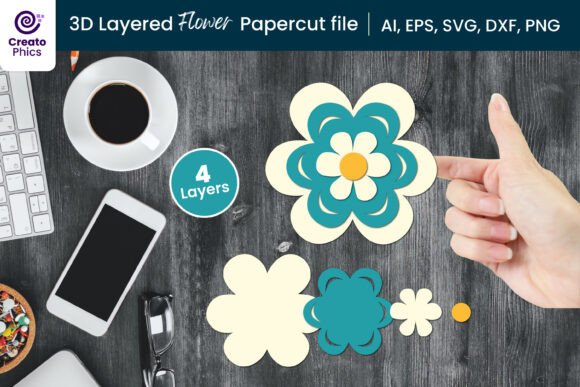
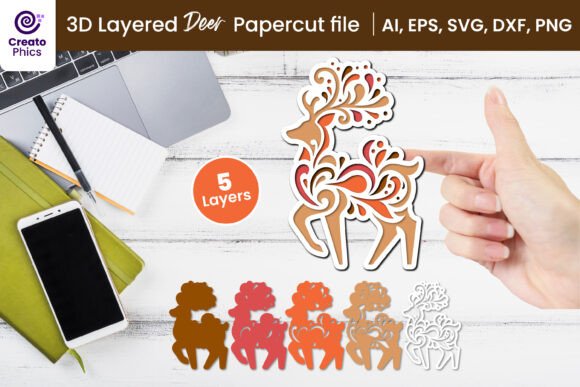
The core value proposition of this design set lies in its structure. When you acquire a package labeled as Flowers paper cutting SVG design layered papercut, you are not simply receiving an image of a bouquet; you are receiving a blueprint for construction. The product typically includes 12 cut files, each representing a different floral arrangement or botanical element. These files are meticulously organized so that individual petals, leaves, stems, and background elements exist on separate layers within the software environment. This layering capability allows creators to assign different materials, colors, and depths to each component, resulting in a finished piece that possesses genuine dimensionality.
Technical Architecture and File Integrity
For professionals and serious hobbyists alike, the technical integrity of the source file is paramount. A well-constructed Flowers Paper Cutting SVG Design must adhere to strict standards regarding node density, path closure, and layer separation. In my experience evaluating various vector libraries, many fall short by including open paths or unnecessary anchor points that cause errors during the cutting process. High-quality designs ensure that every line is closed, preventing the machine from struggling to interpret where a cut should begin and end.
The inclusion of 12 distinct cut files offers significant versatility. Each file in the collection is usually optimized for specific aspect ratios and material constraints. For instance, some designs may feature intricate inner details that require a fine-point blade, while others might utilize broader shapes suitable for thicker cardstock or even wood veneer. The consistency across these 12 files ensures that a user can maintain a cohesive aesthetic throughout a series of projects, such as a wedding invitation suite or a retail packaging line. This uniformity reduces the time spent troubleshooting compatibility issues between different assets.
Layer Management and Workflow Efficiency
The true utility of layered papercut files becomes apparent when integrating them into a production workflow. Modern cutting software, such as those used with Cricut, Silhouette, or industrial plotters, relies heavily on how layers are named and grouped. A professional-grade Flowers Paper Cutting SVG Design will often include logical layer naming conventions. Instead of generic labels like "Layer 1" or "Group 4," the files might be tagged as "Base Layer," "Mid Petal," or "Top Accent." This organization drastically reduces the setup time required before sending the job to the cutter.
Furthermore, the ability to manipulate layers individually allows for creative experimentation without altering the original geometry. A designer might choose to offset the top layer slightly to create a shadow effect, or swap the color of the background layer to match a client's brand palette. This flexibility is a key differentiator between static images and functional vector assets. It empowers users to adapt the design to their specific needs rather than forcing their project to conform to rigid limitations.
Real-World Applications and Performance
When assessing the practical value of these designs, it is essential to consider the end application. The Flowers Paper Cutting SVG Design is particularly effective in scenarios requiring tactile engagement and visual depth. In the wedding industry, for example, layered floral invitations have become a staple for couples seeking a bespoke look. The 12 included files provide enough variety to cover different seasons or themes, allowing stationery designers to offer diverse options without commissioning custom artwork for every client.
Beyond weddings, these assets find utility in home decor, greeting cards, and small business branding. A boutique owner might use the designs to create window displays that catch the eye of passersby, utilizing the depth of the layers to make the flowers appear as if they are emerging from the glass. The scalability of SVG formats ensures that these designs remain crisp whether printed at a small scale for a jewelry box or enlarged for a large wall mural.
However, performance is also dependent on the material chosen. While the files are designed for paper, the complexity of the layers means that very thin materials might tear during the weeding process (the removal of excess paper). Conversely, overly thick materials may require multiple passes or a specialized blade. Users should test the designs on their specific stock before committing to a full production run. The reliability of the cut lines in a Flowers paper cutting SVG design layered papercut package generally holds up well under standard conditions, but material testing remains a necessary step in the quality assurance process.
Educational and Commercial Viability
For educators and workshop leaders, these files serve as excellent teaching tools. They demonstrate fundamental principles of vector graphics, layering, and spatial composition. Students can learn how to assemble complex images from simple geometric parts, gaining insight into the mechanics of digital fabrication. The structured nature of the 12 files allows for progressive learning, starting with simpler arrangements and advancing to more intricate compositions.
From a commercial perspective, the long-term value of investing in a comprehensive set like this cannot be overstated. Purchasing a bundle of 12 high-quality files is often more cost-effective than sourcing individual designs piecemeal. It provides a ready-to-use library that can generate revenue through various channels, from direct sales of finished goods to offering print-on-demand services. The professional finish achievable with these layered designs elevates the perceived value of the final product, justifying higher price points in a competitive market.
Considerations and Limitations
While the Flowers Paper Cutting SVG Design offers numerous advantages, it is not without its challenges. The primary limitation lies in the skill level required to assemble the final piece. Unlike a flat sticker, a layered papercut requires precise alignment and adhesive application. Beginners may find the assembly process time-consuming and prone to error if they lack patience or steady hands. The design itself does not solve the physical assembly challenge; it merely provides the components.
Additionally, the complexity of some floral patterns may push the limits of entry-level cutting machines. Intricate inner details might require a slower cutting speed or a specific blade angle to prevent tearing. Users must be prepared to adjust their machine settings based on the specific intricacies of each of the 12 files. There is no universal setting that works perfectly for every design in the collection, necessitating a degree of experimentation.
Another consideration is the file format compatibility. While SVG is a widely supported standard, some older or proprietary software may require conversion. Ensuring that your design workflow supports the native SVG format is crucial to maintaining the integrity of the layers. If a file is flattened or converted to a raster format prematurely, the benefits of the layered structure are lost entirely.
Who Benefits Most?
The ideal audience for this resource includes entrepreneurs launching craft-based businesses, freelance graphic designers expanding into physical products, and educators focused on STEM or arts integration. Small business owners looking to differentiate their packaging or marketing materials will find the unique aesthetic of layered florals particularly valuable. The ability to produce custom, high-end items in-house gives these users a competitive edge over mass-produced alternatives.
Serious hobbyists who enjoy detailed crafts will also appreciate the depth and challenge these designs offer. The 12 cut files provide ample opportunity for practice and mastery, allowing enthusiasts to refine their techniques over time. Whether creating gifts for family members or selling at local markets, the professional quality of the output helps bridge the gap between amateur and artisan.
Ultimately, the decision to utilize Flowers paper cutting SVG design layered papercut assets depends on one's goals and technical capabilities. For those willing to invest the time in learning the assembly process and optimizing their cutting parameters, the result is a stunning, tangible product that commands attention. The combination of versatile design options, technical robustness, and commercial potential makes this a worthwhile addition to any creator's toolkit. By understanding both the strengths and the practical requirements of these files, users can maximize their return on investment and produce work that truly stands out.